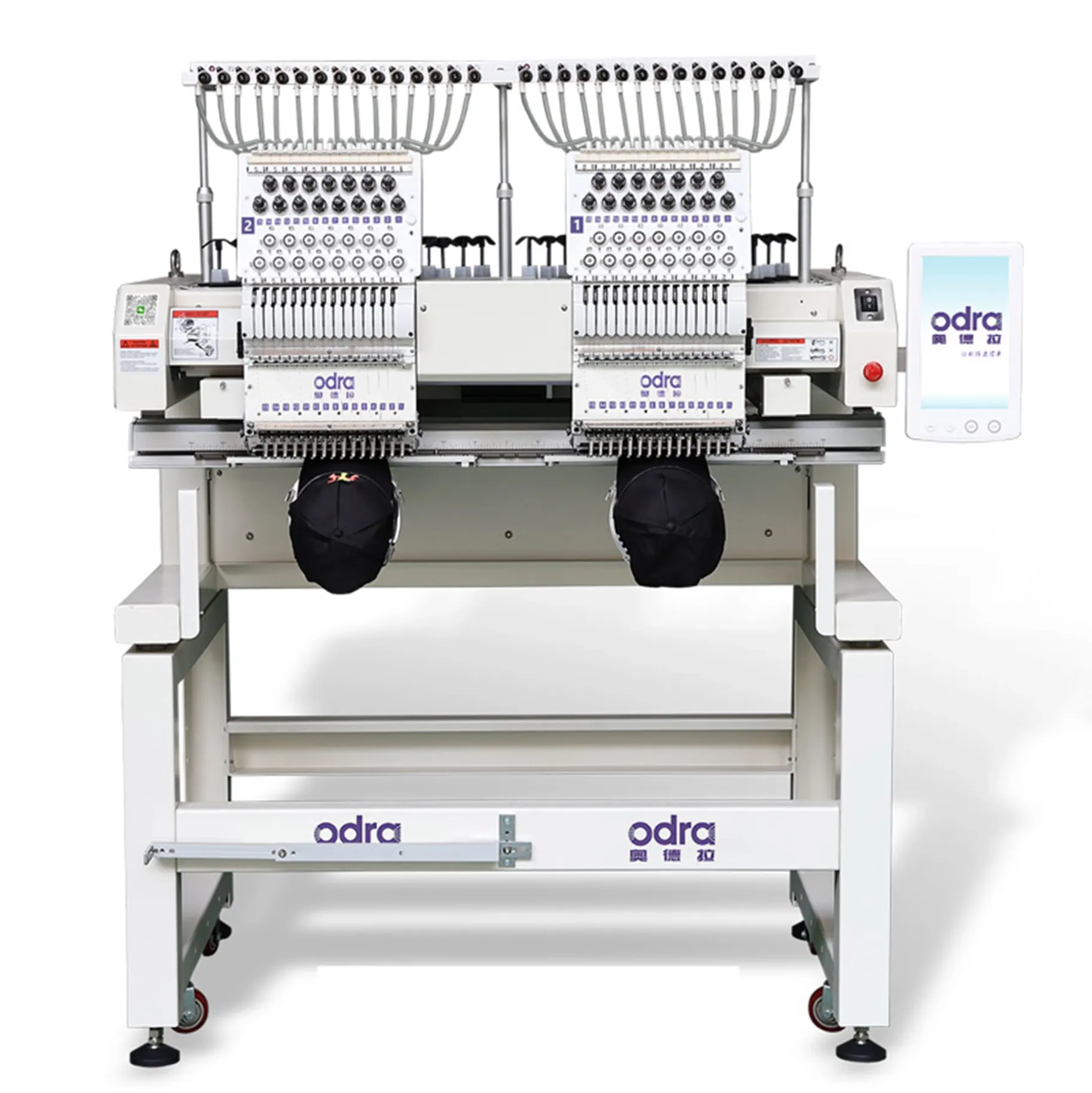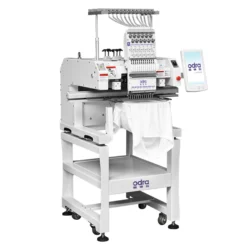
Multifunctional Horsehead Machine Series
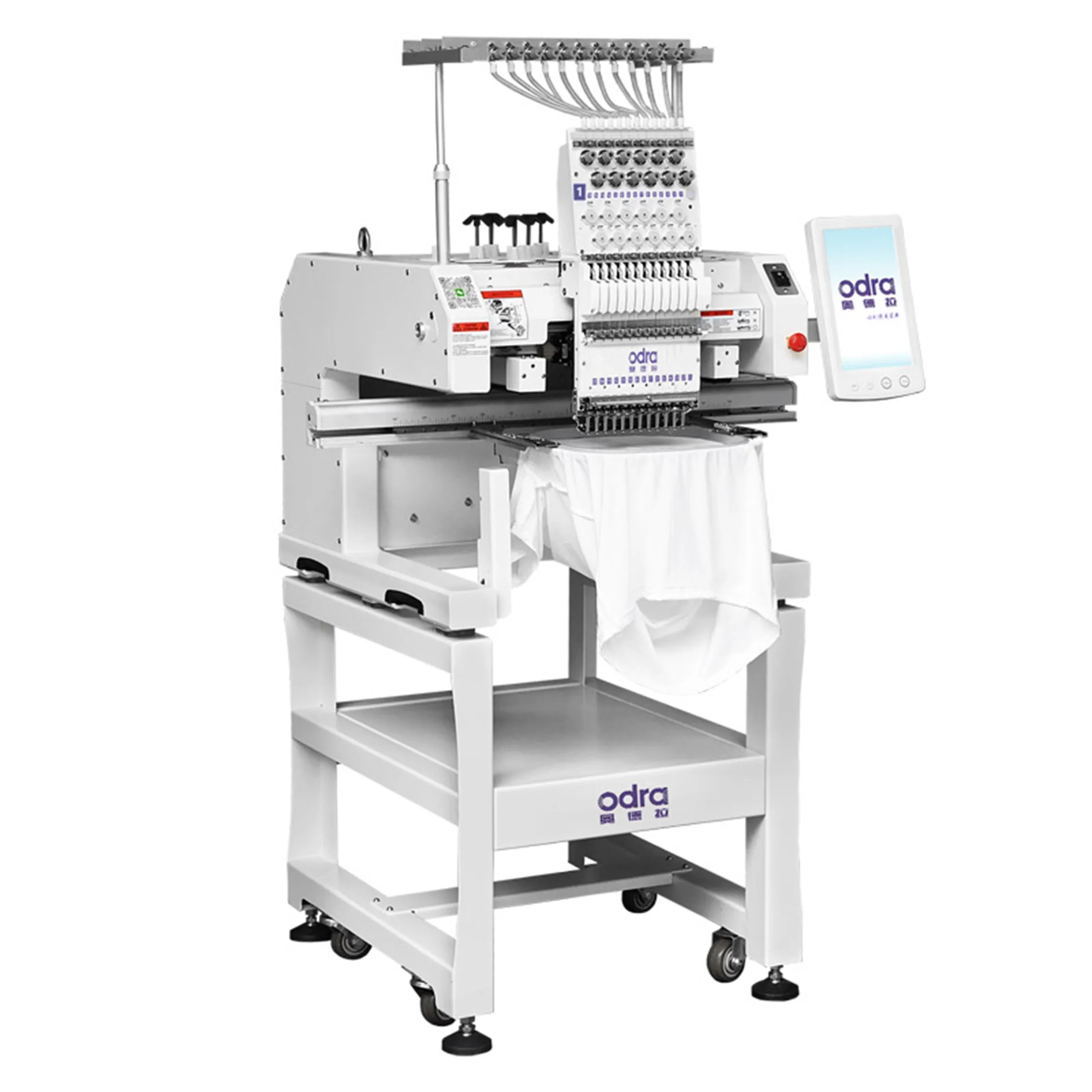
Multifunctional Bridge-Type Single-Head Machine Series
Multifunctional Towel Machine Series
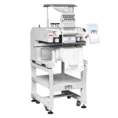
Small hoops hold fabric tighter, producing clearer designs with fewer material waste. Large hoops are great for big projects like jackets and quilts.
Recommendation: Choose a machine that supports multiple hoop sizes so you can easily switch between different project dimensions.
Our brand's embroidery machines have a maximum speed of 1200 RPM (Revolutions Per Minute), which provides an excellent balance between efficiency and stability for standard custom jobs.
Transfer methods: Supports both USB flash drive and WiFi transfer.
File formats: DST, DSB, and BMP.
Design source: To convert photos or drawings into embroidery files, you will need to use digitizing software.
Wrinkling is a common issue, especially when embroidering stretchy materials like T-shirts. It is usually caused by using the wrong stabilizer (or no stabilizer) and loose hooping.
Stretchy fabric: Must use cut-away stabilizer.
Durable fabric (like tote bags): Can use tear-away stabilizer.
Terry cloth/towels: Requires water-soluble stabilizer.
Tip: Stretch the fabric tightly, but do not overstretch. It should feel taut and firm.
Dull or bent needles (burrs on the eye can cut thread) are the most common cause. Mismatched needle sizes or poor-quality thread also cause breakage. Dust and lint accumulation can cause skipped stitches.
Advice: Change needles more frequently than you think, clean the machine regularly (especially the needle and bobbin area), and always use high-quality embroidery thread.
Single-head machines are ideal for small-scale production, personalized stores, DIY enthusiasts, and frequent design changes. Multi-head machines are designed for commercial factories that need to mass-produce identical designs efficiently.
Clean the bobbin case, feed dogs, and needle plate area with a brush to remove lint after each project. Regularly oil specific points (refer to your manual), cover the machine when not in use, and ensure it is kept in a dry, dust-free environment.
We recommend using high-quality polyester or rayon threads for vivid colors and strength. Metallic threads can be used for special effects but require slower speeds. Always match the needle size to the thread weight (e.g., 75/11 needles for standard 40wt thread).
The machine can embroider a wide range of materials, including cotton, denim, leather, caps, jackets, towels, and even thin fabrics like silk, provided the correct stabilizer is used under the fabric.
To start, you will need the machine itself, a basic set of hoops, various stabilizers, bobbins, a good variety of needles, and quality embroidery thread. (We also offer a complete set of standard accessories including frames, cap devices, etc.)
It is very user-friendly. Most machines feature a 10-inch touch screen with 3D real-time previews and support up to 18 languages. We provide a user manual, video tutorials, and one-on-one technical support to get you stitching in no time.
It is designed to be compact and light, making it suitable for home-based businesses and small workshops. It fits on a standard desk with a universal wheel stand for easy mobility. It uses standard household power (AC100V-240V, 50/60Hz) with adaptive power supply, consuming roughly 1.5kW.
No account yet?
Create an Account