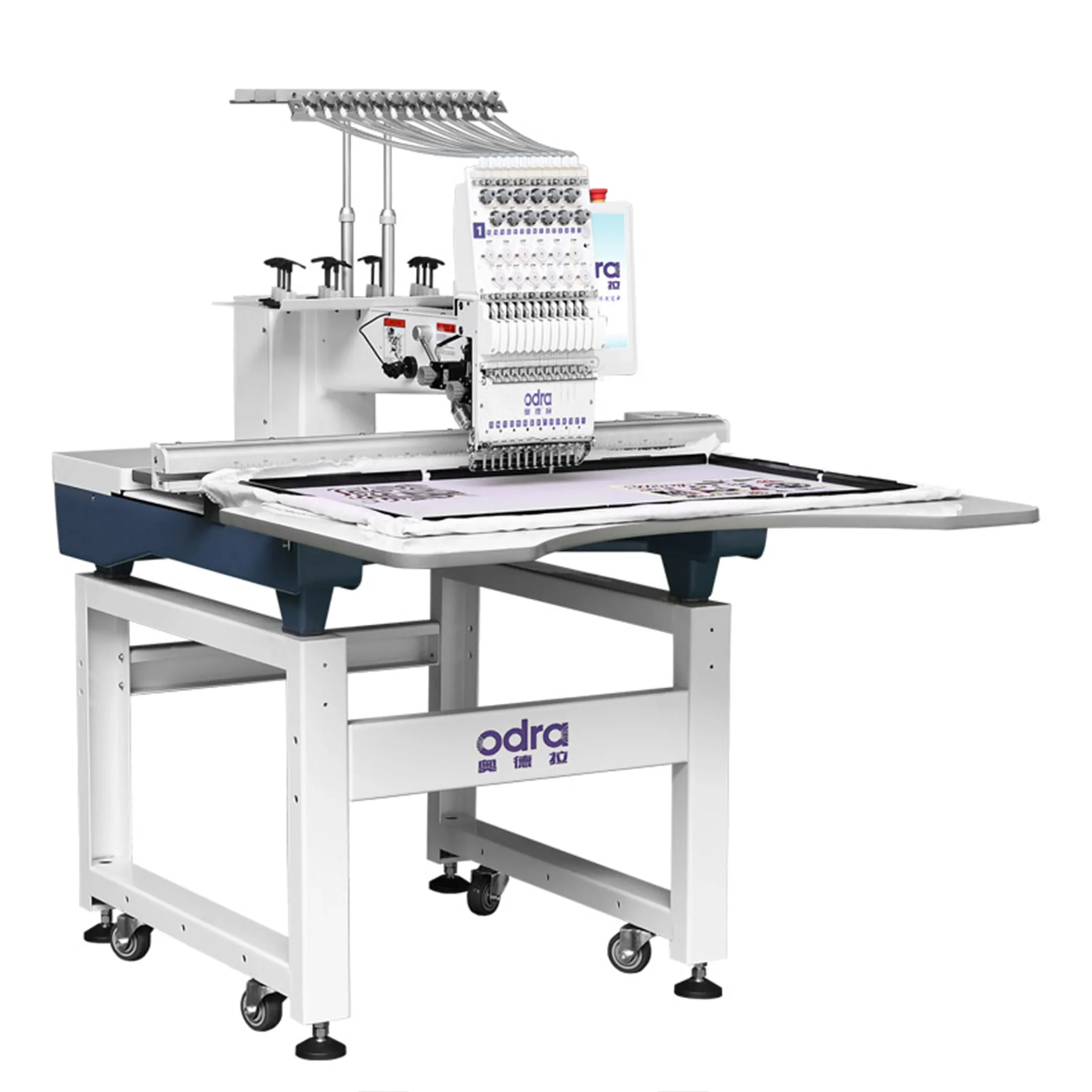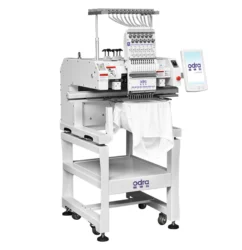
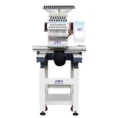
Multifunctional Horsehead Machine Series
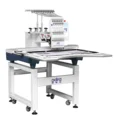
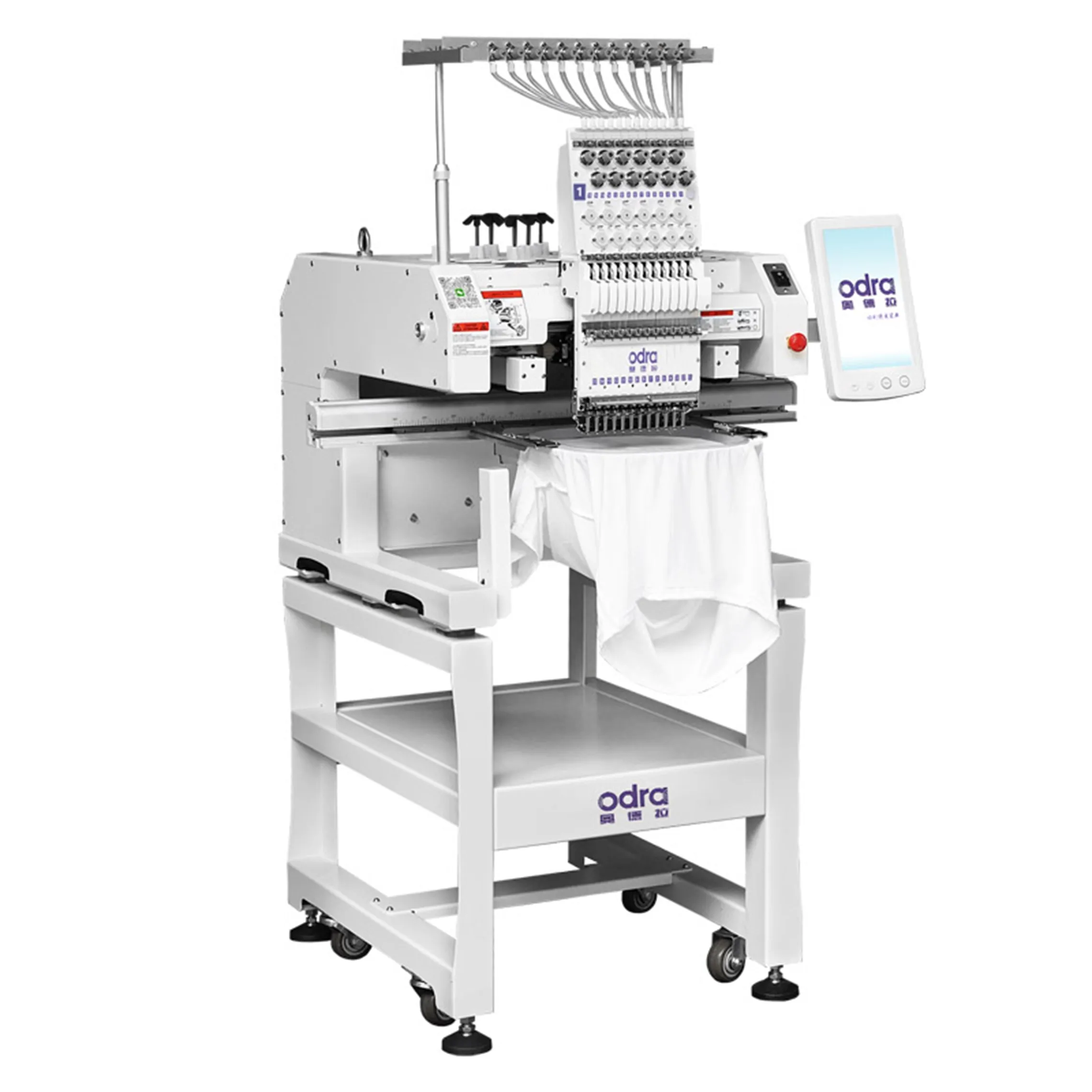
Multifunctional Bridge-Type Single-Head Machine Series
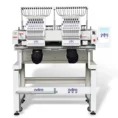
Multifunctional Towel Machine Series
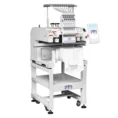
Before using metallic embroidery thread in a customer order, identify the exact thread product, check its needle and digitizing guidance, and approve a sample on the intended material. A successful polyester design is a useful reference, but it does not establish that the same file and settings suit a metallic thread. Keep the trial separate from production until its appearance and handling are accepted.
This guide is for preparing a metallic-thread trial. It does not prescribe a universal ODRA machine speed, needle system or tension value.
Record the manufacturer, range, weight designation and colour code from the cone or packaging. Keep the supplier’s current technical sheet with the job. Two metallic threads that look similar can carry different instructions.
For example, Madeira USA’s FS Metallic weight guide lists different needle recommendations for its No. 40, No. 30 and No. 20 products. Those are product-specific recommendations, not a needle specification for every embroidery machine. Check the needle system required by your machine before considering size or point; our embroidery needle system and size guide explains that distinction.
Madeira’s metallic-thread tutorial calls for a design prepared for metallic thread, with attention to density, sharp angles and the thread’s stitch-length limits. It also highlights clean thread guides, a suitable needle and tension checks. Use that guidance alongside the instructions for the exact thread and machine.
Ask your digitizer which sections were prepared for metallic thread. Name the product and intended material, and request a clearly labelled revision if changes are needed. Do not simply enlarge an existing file or repeatedly change several settings in the hope of making a difficult area run.
| Record | What to keep |
|---|---|
| Thread | Manufacturer, range, weight designation, colour and technical-sheet date |
| File | Design name, revision and areas intended for metallic thread |
| Setup | Material, backing, hooping, needle and actual machine settings |
| Result | Sample photographs, interruption locations and the next single change |
| Release | Approved sample reference, approver and date |
These fields form a proposed shop record, not a claim that a particular combination has been tested by MYODRA. Recheck the approved setup when the thread product, material or file revision changes.
If repeated breaks or visible damage continue, preserve the sample and settings rather than committing more garments. The general thread-breaking checklist can help organise observations. A metallic-specific trial should still retain its exact thread documentation and file revision.
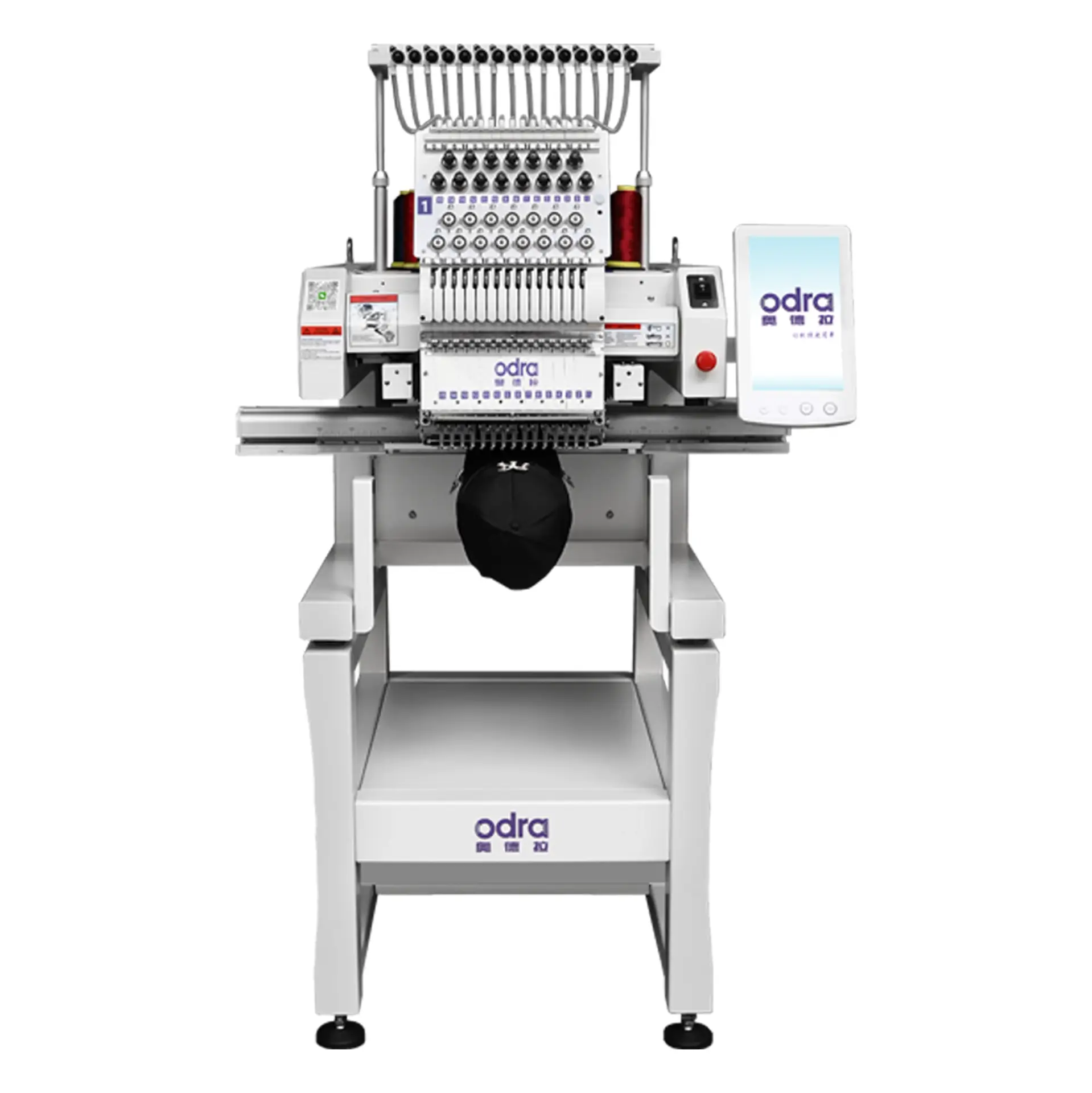
For an ODRA setup question, send the model, thread label, file revision and clear sample photographs through MYODRA support. Ask which checks apply to that machine and thread combination. A product photograph alone cannot confirm a metallic-thread result.
Do not assume it is ready. Have the digitizer review the intended metallic sections against the exact thread’s guidance, then sample the approved revision.
No. Product guides can specify different sizes. First confirm the machine’s required needle system, then check the thread and material requirements.
Use guidance for the exact machine and thread, then document the trial. A number in another manufacturer’s general tutorial is not an ODRA operating specification or a guaranteed production rate.
Retain the approved sample, photographs, thread identity, file revision and setup record. Resolve unexplained interruptions or finish concerns before releasing the job.
No account yet?
Create an Account