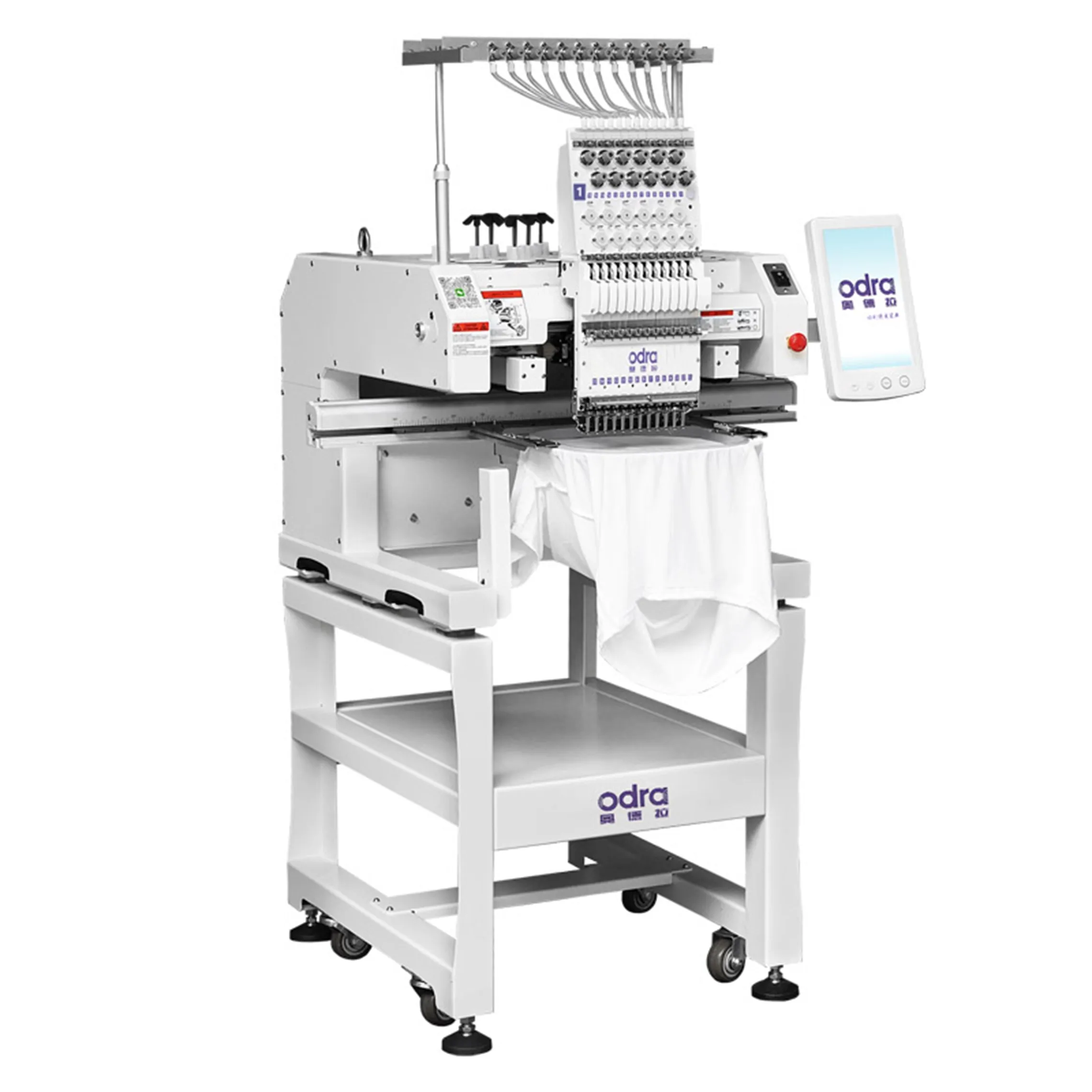
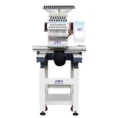
Multifunctional Horsehead Machine Series
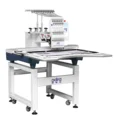
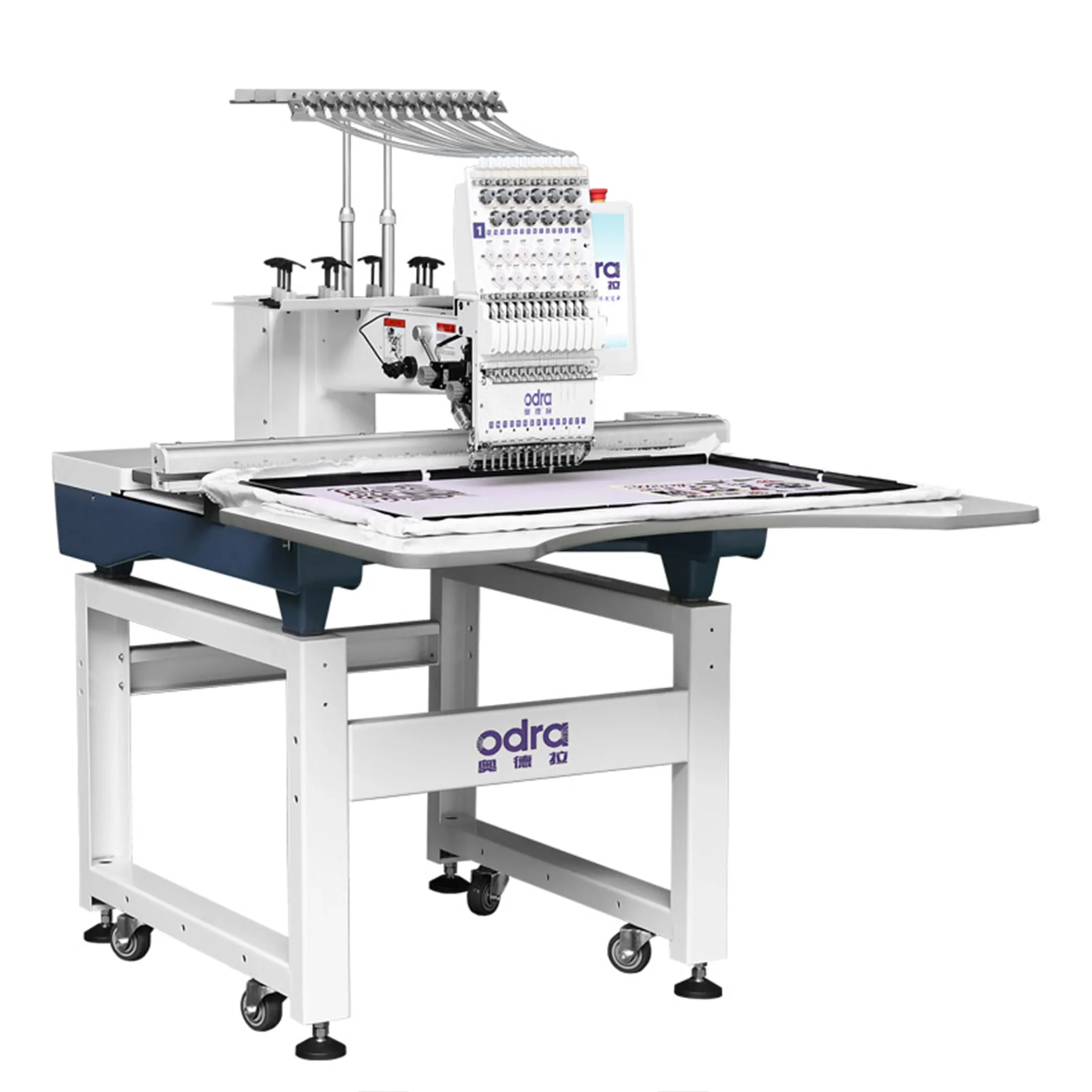
Multifunctional Bridge-Type Single-Head Machine Series
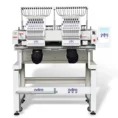
Multifunctional Towel Machine Series
Estimate embroidery thread consumption from the approved design’s thread-length report, then plan stock separately for each color and for the bobbin. Total stitch count is a useful reference, but it does not tell you whether the particular blue cone needed for tomorrow’s order has enough thread left.
A practical thread plan connects the final file, the number of embroidered placements, usable stock and an allowance based on your own production experience. Treat the result as an estimate to check against actual use, not a guaranteed number of garments per cone.
Ask the digitizer for a production worksheet that identifies the design revision, finished dimensions, thread references and estimated lengths. If the file changes after the estimate, update the worksheet before ordering. A resized design or revised fill should not silently inherit the previous material plan.
Wilcom’s worksheet documentation distinguishes thread length by color, total upper-thread length and total bobbin length. Request the information your software can actually provide; this does not mean an ODRA controller includes those reporting features.
Designs differ in stitch length and construction. Wilcom’s thread-usage estimate guidance allows fabric thickness and a bobbin calculation factor to be adjusted, reflecting the mixture of stitch types. That is a software estimation process, not a machine tension setting.
A general supplier guide can help with early planning, but keep its assumptions visible. For a confirmed order, prefer the final design report and what your shop learns from a comparable sample. Do not promise a fixed output from every cone solely because two files have the same stitch count.
Use consistent length units throughout. For each thread reference, a simple planning relationship is:
Planned length = estimated length per placement × total placements + separately recorded allowance.
Count placements rather than only garments. If every shirt has the same logo in two locations, both placements need to be included. If the two logos have different sizes or files, calculate each separately and combine their requirements by thread reference.
| Hypothetical input | Blue | White |
|---|---|---|
| Estimated length per logo | 18 m | 7 m |
| 50 logos, before allowance | 900 m | 350 m |
| Assumed planning allowance | 90 m | 35 m |
| Planned total | 990 m | 385 m |
These are invented arithmetic inputs for illustration, not ODRA test results. The example’s 10% allowance is an assumption, not an industry standard or supplier recommendation. Choose and document an allowance appropriate to sampling, setup and losses in your own workflow.
If a report lists the same physical thread reference in several color blocks, combine those lengths. Do not divide total upper-thread length equally between colors: a small accent and a filled background rarely require the same amount.
Check the thread family, weight, shade reference and package length, rather than ordering by a color name alone. Madeira’s ordering guide explains the distinction between package references and color numbers. Our thread color approval guide helps keep the approved shade identifiable.
Subtract usable existing stock from the planned requirement, then round the shortfall up to the actual package size you intend to buy. A partially used cone should not be counted as a full unopened package. Keep uncertain remaining quantities marked as uncertain instead of creating false precision.
Also distinguish total length from the number of packages needed at once. If several heads or machines run simultaneously, the physical thread positions may require separate cones even when their combined length would fit on one package. Confirm the actual threading arrangement; do not infer independent-head capability from a photograph.
Use the bobbin estimate independently of the upper-thread color totals. Check the compatible bobbin format and labeled length for the actual supply; neither follows automatically from top-thread package size. Ask the supplier when compatibility is uncertain.
Record the file revision, completed placements, supplies issued, usable returns and unusual interruptions after the run. Compare those observations with the estimate before the next repeat order. Store identified supplies using our thread storage checklist.
No. Use it as an early reference, then obtain design-specific length estimates and review actual stock by color.
Count the total logos produced across the order. Two heads do not automatically double the number of ordered pieces; they do affect how supplies must be available during the run.
Record your assumption and compare it with production experience. The example above is not a universal percentage.
Send the final design size, garment type, expected placements, thread plan and intended production arrangement. Contact MYODRA to discuss the exact machine and accessory configuration without treating software estimates as measured machine output.
No account yet?
Create an Account