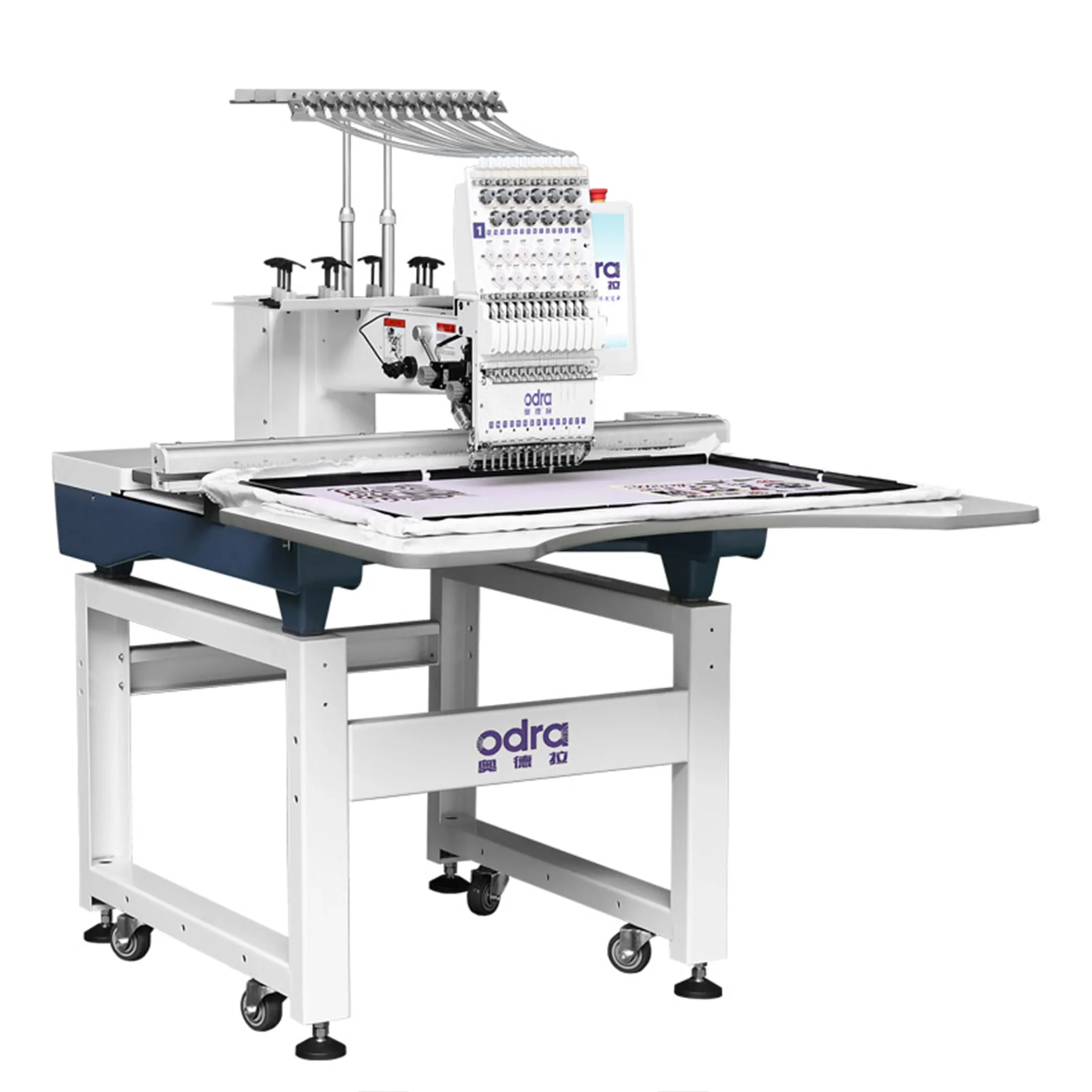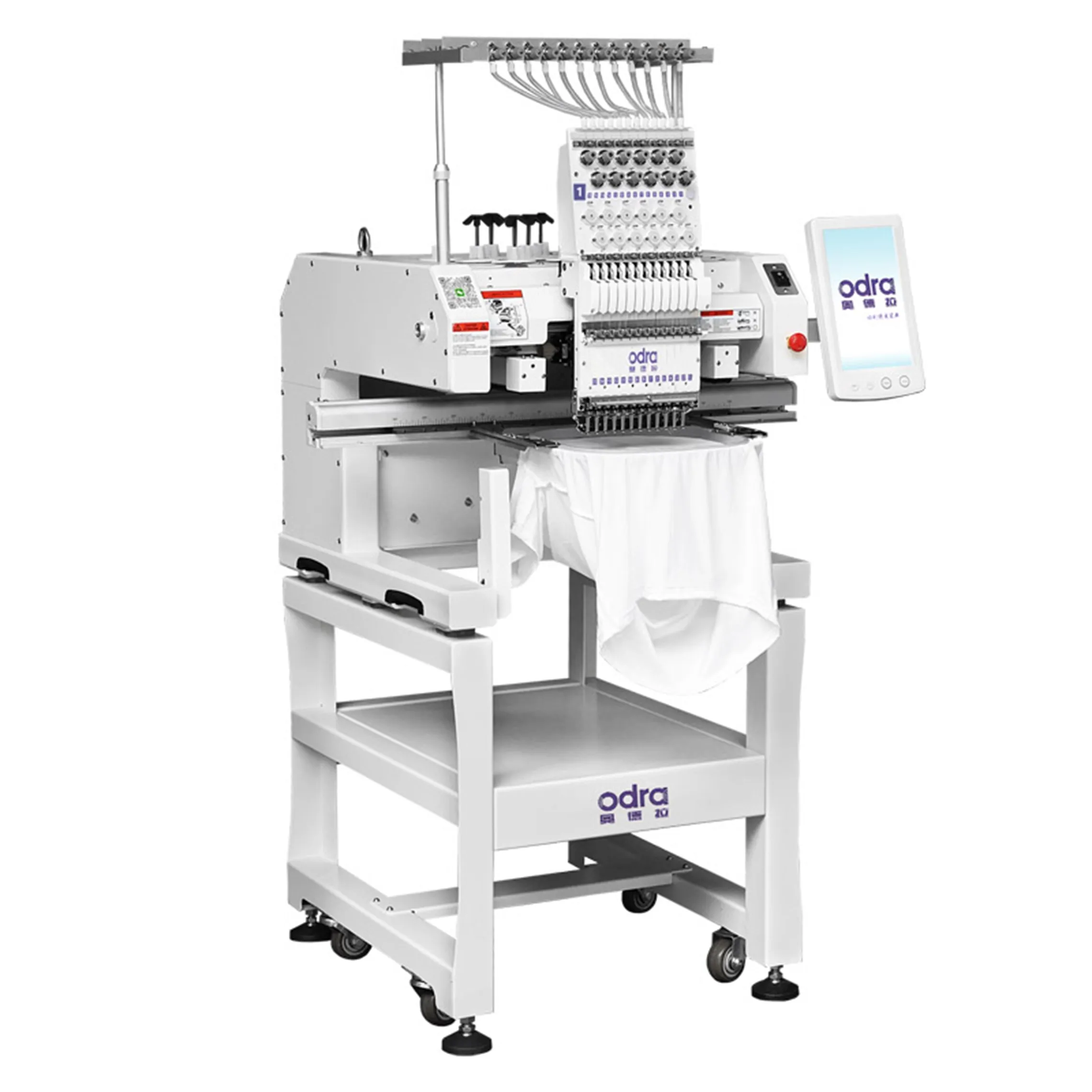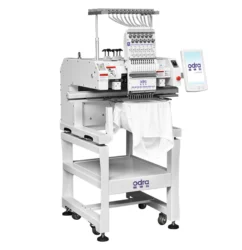
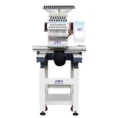
Multifunctional Horsehead Machine Series
Multifunctional Bridge-Type Single-Head Machine Series
Multifunctional Towel Machine Series
Store embroidery thread in a clean, dry, cool location protected from direct light and dust. Keep each cone with its original identification, and record which thread you used for repeat orders. Good storage is a practical housekeeping step; it does not replace a sample stitch-out or the thread manufacturer’s instructions.
This guide focuses on unused cones, partly used spools and repeat-job records. For choosing a fibre, see our separate polyester versus rayon embroidery thread guide.
Madeira’s thread storage guidance recommends a cool, dry location protected from direct light and dust. Use that as a starting point, then check the guidance supplied for your particular thread. Do not invent one temperature, humidity target or expiry period for every fibre and finish.
A clear box helps you find colours, but the box alone does not provide protection from direct light. Its location still matters. Likewise, a cover is not a reason to put damp thread into storage.
Two similar-looking colours are not a complete specification. A useful shelf system separates manufacturer, product range, fibre and thread size before grouping colours. Retain the original label; use a secondary label on a compartment if the original is difficult to read.
| Record | What to keep |
|---|---|
| Thread identity | Manufacturer, range, fibre and size exactly as labelled |
| Colour | Manufacturer’s colour code, rather than a description such as dark blue |
| Batch | Lot or batch number if the supplier provides one; otherwise mark it not supplied |
| Stock history | Date received, opened status and storage location |
| Repeat job | Job reference and the approved sample associated with this thread |
For example, a repeat uniform order should point to the recorded thread range and colour code, not simply to whichever blue cone is closest to the machine. Where a lot number exists, retain it with the job record so a later comparison is traceable.
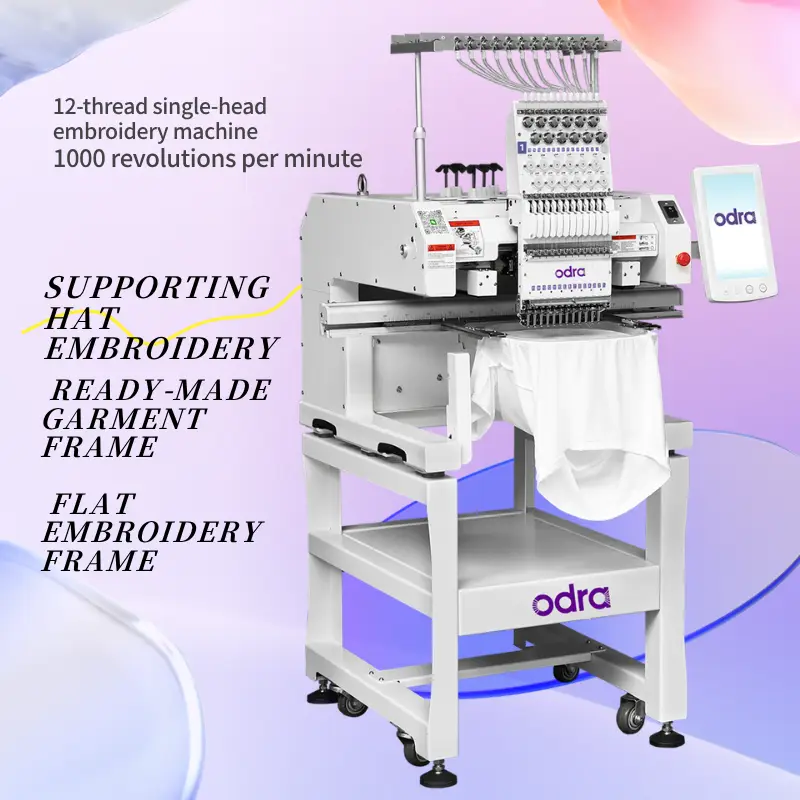
If you are planning a workstation around the ODRA C1201S, include space for identifying, loading and returning thread. The product image is a machine illustration, not a demonstration of thread storage or a promise of included storage accessories.
Do not judge condition by age alone, or assume that a tidy container proves the thread is suitable. Follow the supplier’s care guidance and inspect the actual cone. If you cannot identify the thread or have concerns about contamination, ask the supplier before using it on customer garments.
Use a sample of the intended fabric and backing to assess the planned thread and design. Record the result with the job. If a problem appears, compare against an identified thread with a known satisfactory sample while keeping the other test conditions documented. Storage history is useful evidence, not proof that thread is the only cause.
It can share a suitable storage space, but keep identities distinct. Use labelled sections so similar colours from different ranges or sizes are not mistaken for the same thread.
No universal age limit is given here. Check the manufacturer’s guidance, identification, storage history and actual condition. Do not use an uncertain cone for a customer job merely to clear old stock.
No. Threading, needle condition, the design, fabric and machine setup also need consideration. Keep the original labels and your sample notes available when requesting help.
Use our support page and provide the machine model, a photograph of the thread label, the fabric and backing details, and a clear description of the issue. Record any changes already tried so the next check has a useful starting point.
No account yet?
Create an Account