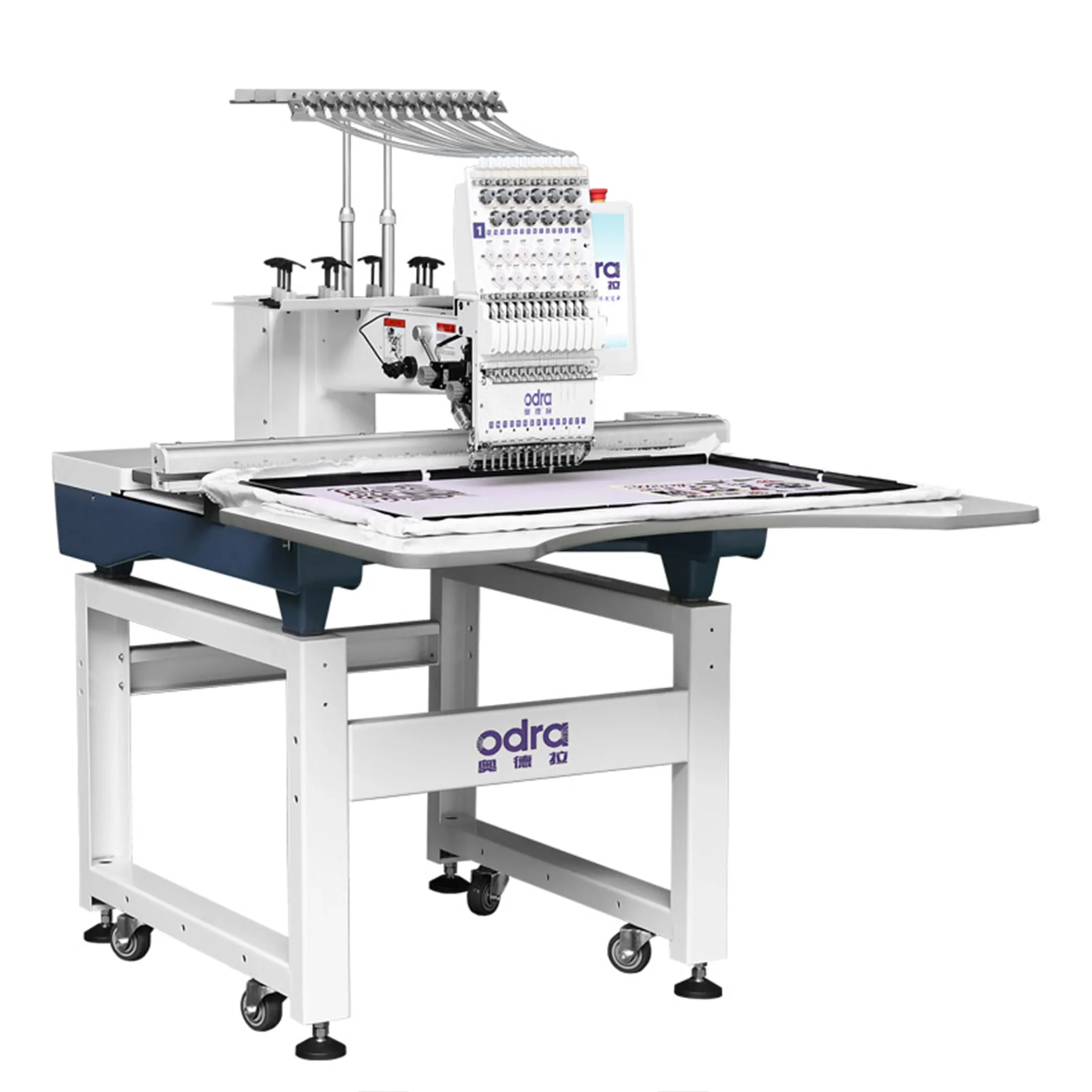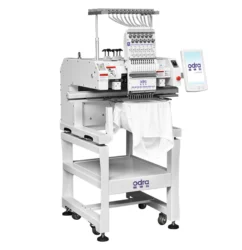
Multifunctional Horsehead Machine Series
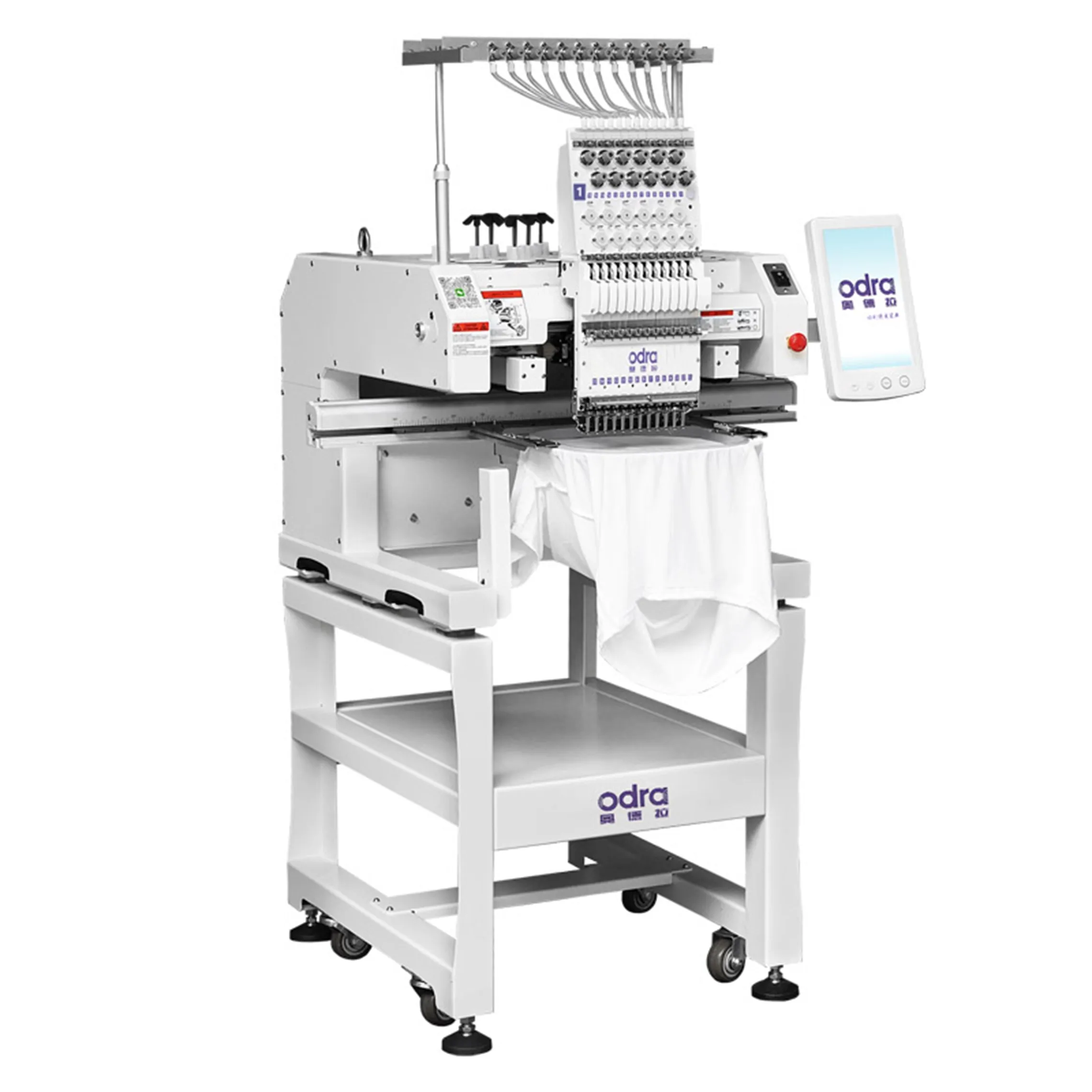
Multifunctional Bridge-Type Single-Head Machine Series
Multifunctional Towel Machine Series
Choose polyester or rayon embroidery thread by the finished item’s use and care requirements, then compare appearance on a stitched sample. For products exposed to demanding laundering, check the exact thread manufacturer’s care data. For decorative work, assess sheen and feel on the actual fabric rather than choosing from a screen image alone.
This guide helps ODRA machine owners structure that decision. It does not establish a universal tension setting or promise that every polyester or rayon thread has the same performance.
Ask the customer how the item will be used and cleaned. Record whether the job is fashion decoration, workwear, household textiles or another application. Obtain the garment care label and any specific cleaning requirements before buying thread.
Madeira’s thread-selection FAQ identifies its CLASSIC viscose thread with a natural shine and recommends its POLYNEON polyester product for industrial washing or bleaching applications because of its chlorine resistance. These are manufacturer statements about named products; verify the data for your selected range and color.
| Decision | What to check |
|---|---|
| Appearance | Compare stitched sheen and color on the actual garment. |
| Care | Match the thread’s published care limits with the textile and intended cleaning process. |
| Thread identification | Record brand, range, fiber, weight and color number. |
| Machine setup | Confirm the required needle and setup instructions for your model and thread. |
| Approval | Keep a labeled sample showing the combination the customer accepted. |
Do not translate a color number between brands or fiber ranges without checking the manufacturer’s chart and a physical sample. Record the complete product identity so a repeat order does not accidentally substitute another thread.
Madeira’s polyester thread overview discusses resistance and frequently cleaned applications. Use that as a starting point for product research, not permission to bleach an entire embroidered garment. The fabric, backing and other components also need an appropriate care process.
If a customer requires a particular treatment, ask the thread supplier to identify the applicable technical sheet and any restrictions. Keep that document with the job specification. Do not invent a wash temperature or chemical concentration when the chosen product’s instructions are unavailable.
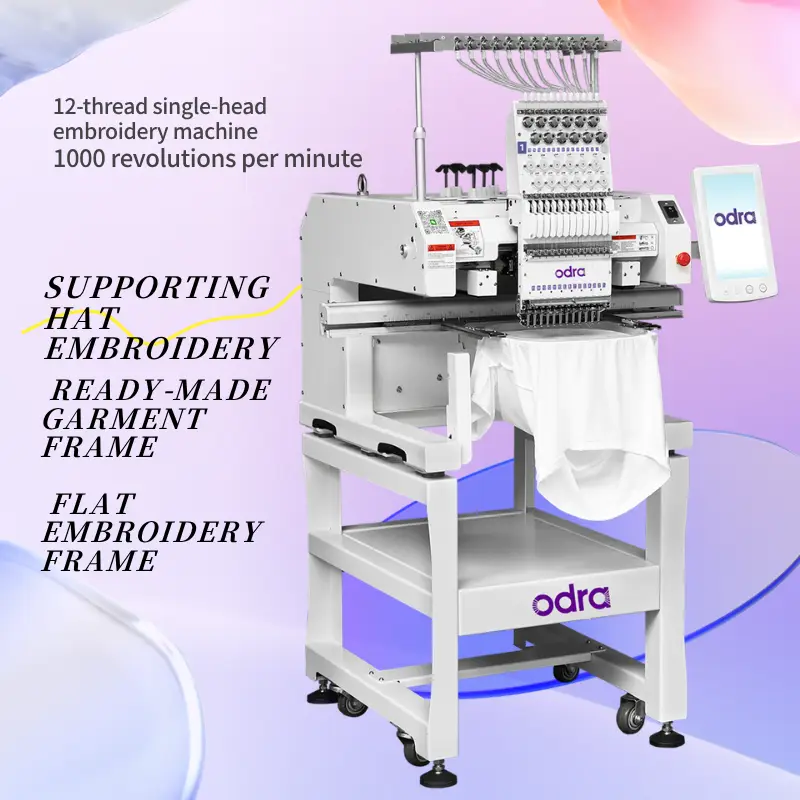
For the ODRA C1201S or another model, use the relevant machine instructions and thread supplier recommendations. Ask ODRA support if the required needle system or setup is unclear.
If the trial produces repeated breaks, use the thread-breaking checklist to organize the investigation. A failed trial alone does not prove that an entire fiber type is unsuitable.
There is no single choice for every job. Confirm the actual service conditions and compare the products that satisfy them.
Use the screen as a reference, then review the actual thread or a stitched sample under the agreed viewing conditions before approving a close match.
Send the machine model, complete thread identification, textile details, design dimensions, intended care and sample photos through MYODRA’s contact page.
No account yet?
Create an Account