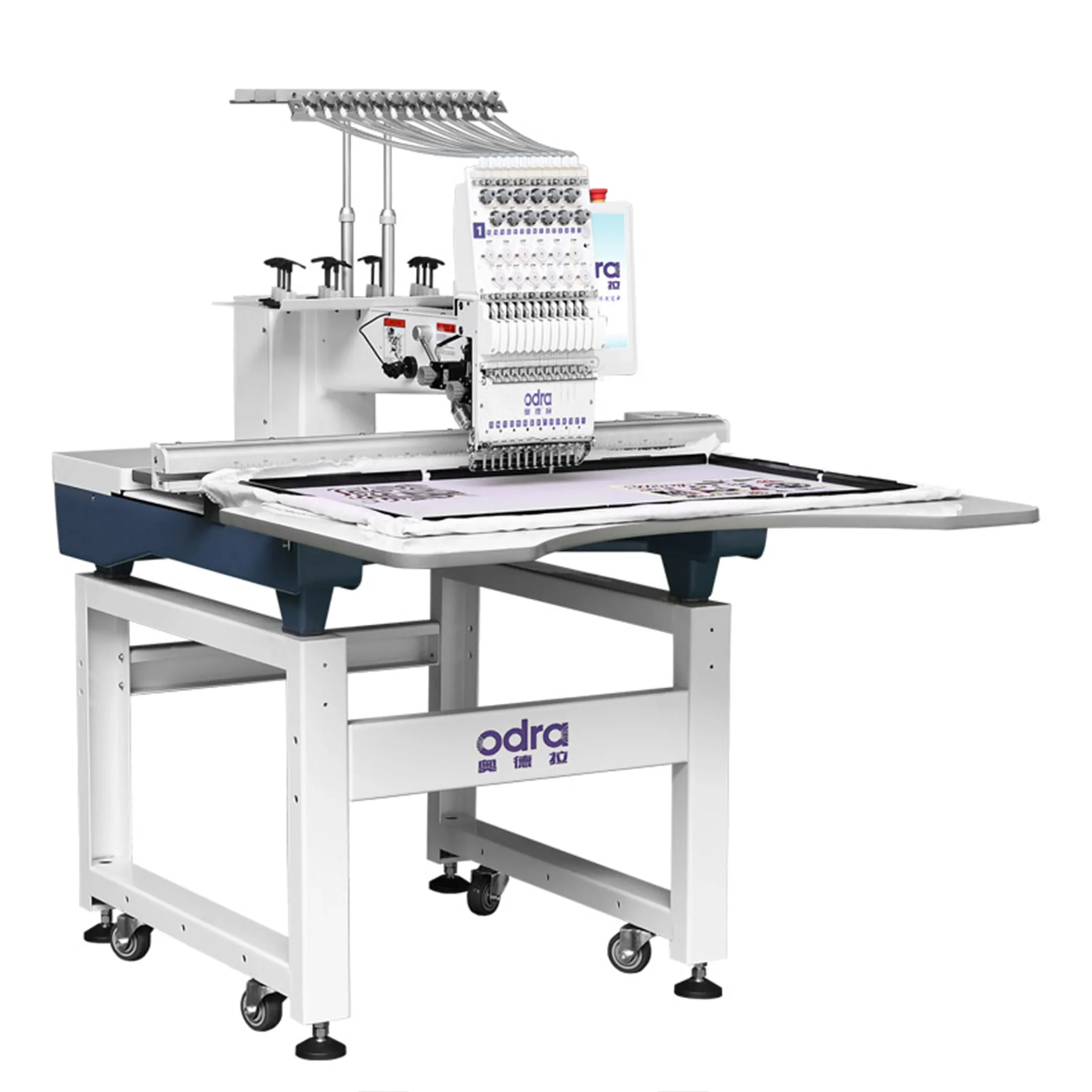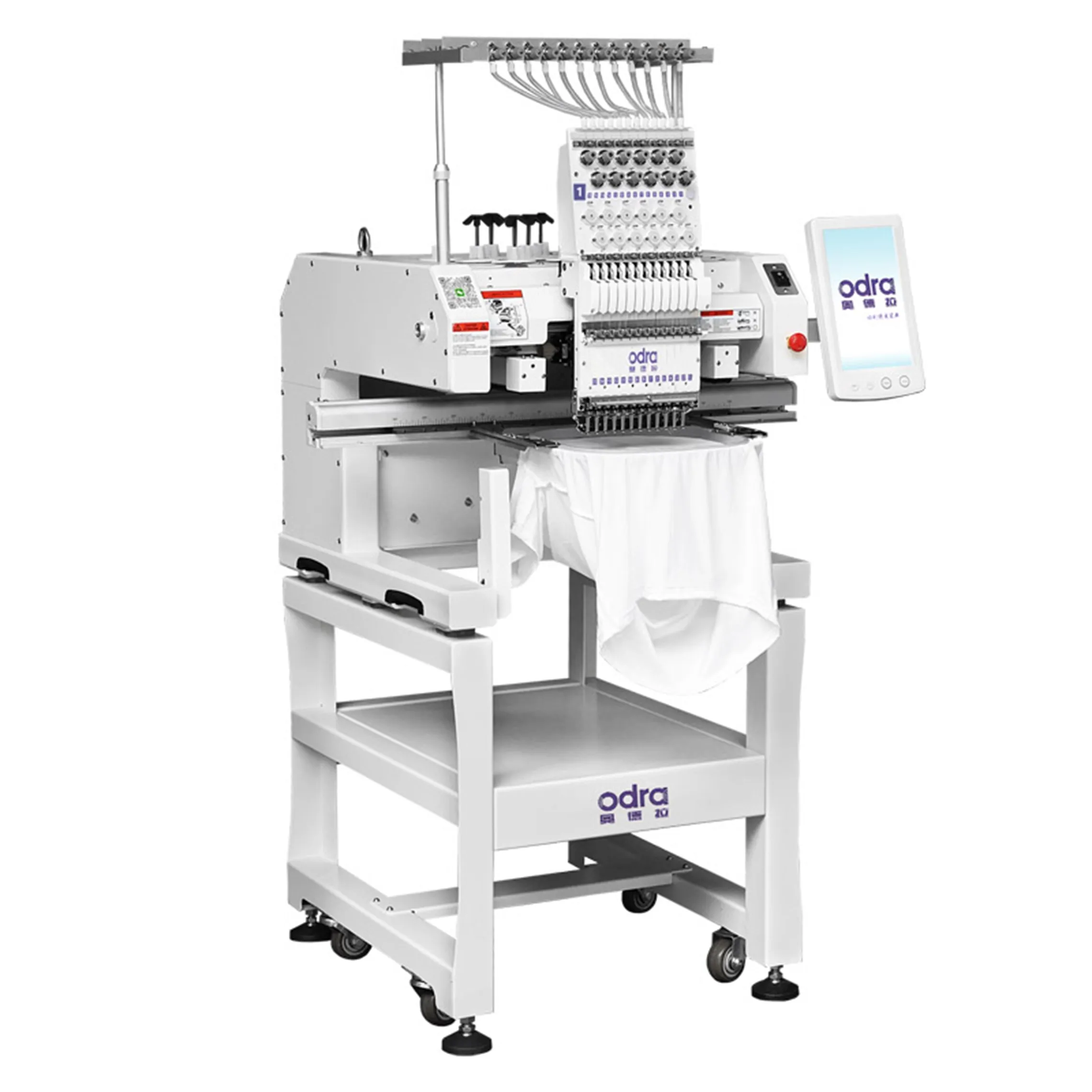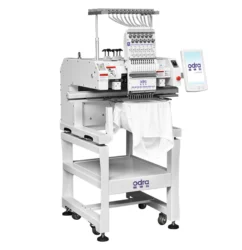
Multifunctional Horsehead Machine Series
Multifunctional Bridge-Type Single-Head Machine Series
Multifunctional Towel Machine Series
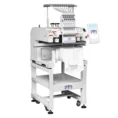
Water-soluble topping sits on the surface of a terry towel to help hold down the pile while a design stitches. It serves a different purpose from backing underneath the fabric. Choose a topping intended for your application, follow its instructions, and approve a finished sample on the actual towel before starting an order.
This guide focuses on the textured surface of towels. It does not specify a universal film thickness, backing weight or machine setting for every towel and design.
In its Avalon topping tutorial, Madeira explains that wash-away film holds down terry loops and helps produce clear details on high-pile textiles. That is the reason to investigate topping when fine details appear lost in the towel surface.
Keep a sample towel beside the artwork when discussing the job. A flat screen preview cannot show how that particular pile will interact with the finished stitching. Compare lettering, outlines and open spaces on the actual embroidered sample.
| Material | Where it goes | Question to answer |
|---|---|---|
| Water-soluble topping film | On the towel surface | Does it help keep the design visible above the pile? |
| Embroidery backing | Under the towel | Does the selected setup provide the support and finish needed for this job? |
Do not assume that a thin topping film replaces the backing in your setup. Products sold as water-soluble materials can have different purposes. Read the specific label rather than treating all wash-away products as interchangeable. For the separate backing decision, see the cut-away and tear-away guide.
Record the towel style, supplier, color and intended placement. Identify the design revision, finished dimensions, thread, backing and topping product. Keep packaging or a label photo so an operator can reproduce the successful combination later.
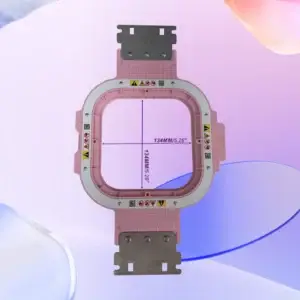
The ODRA pink magnetic frame is one item listed in our store; its photo does not establish that it fits your model or towel thickness. Ask MYODRA about your specific setup, including the intended design location.
Madeira’s Avalon tutorial shows the film lying flat on the textile, either hooped with the material or placed over it after hooping. It describes gently removing excess film after stitching and using moisture to clear remaining pieces. Those directions apply to that product; check the instructions for the film you actually buy.
Do not copy a water temperature, spray method or ironing step from a different product without checking suitability. Madeira UK’s water-soluble product guidance includes a caution about color running when film is misted or left wet. Test the cleanup process on a sample and follow the towel’s care label.
Record what remains unclear: unreadable letters, visible residue, an unwanted color change or an unsatisfactory reverse side. If you compare another setup, change one documented variable at a time rather than replacing every material together.
No. Treat it as one part of the setup. Review the actual sample and ask your digitizer or support contact to assess unresolved design details.
No. Follow the selected product’s directions and the textile’s care requirements. Confirm the result on a sample before treating an entire order.
Send front-and-back photos, towel details, design dimensions, material labels, frame information and your machine model to ODRA support. Explain whether the issue appeared before or after topping removal.
No account yet?
Create an Account